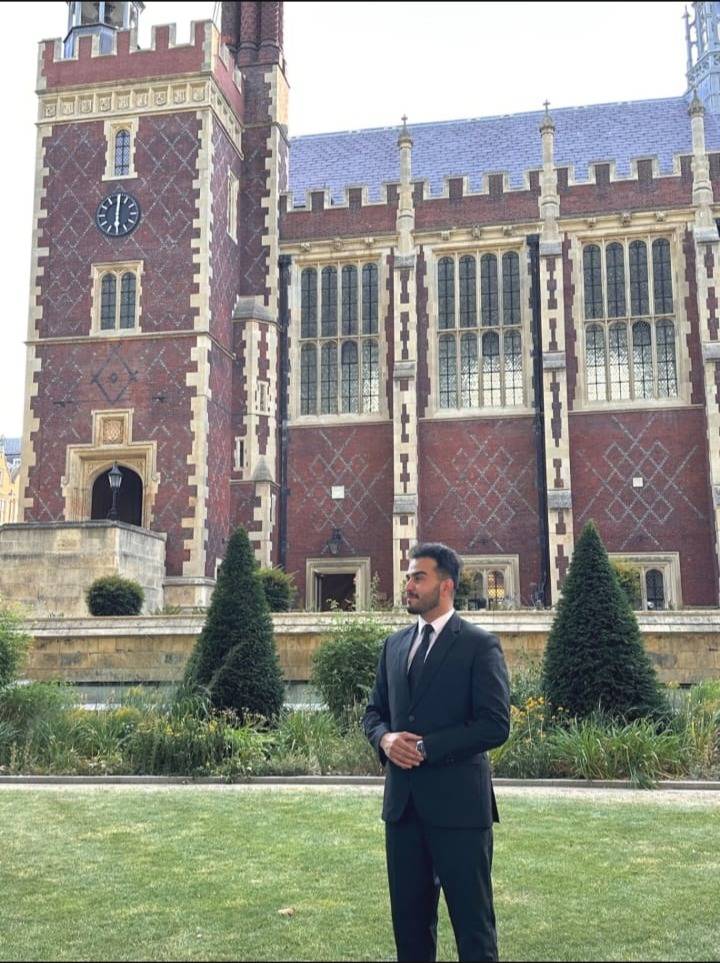

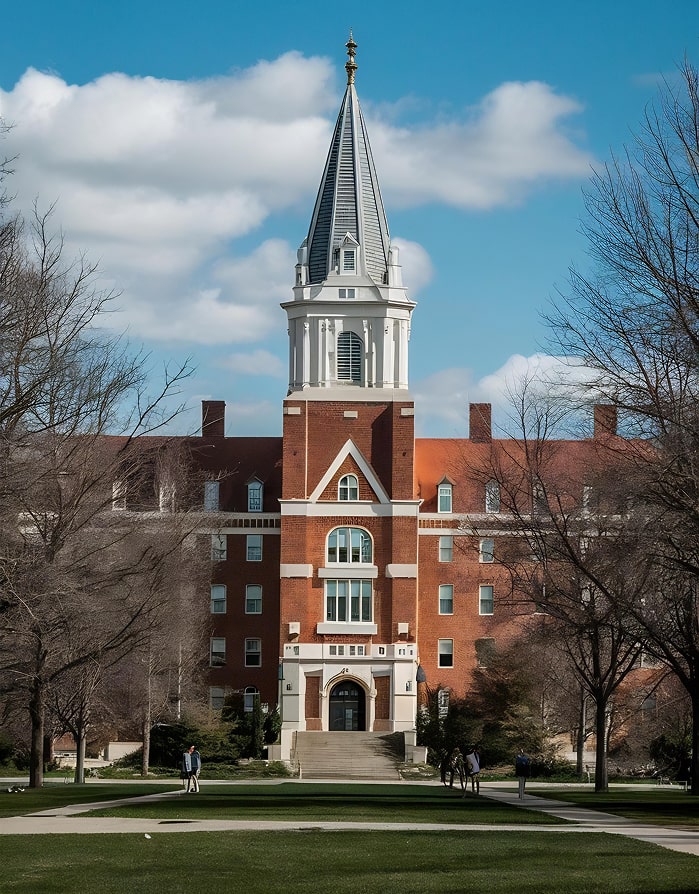
The first time Asif wore a tie, he was standing on the campus of Akhuwat Institute Kasur.
It was a small thing. But it said everything about how far he was about to travel.
“Before coming to AIK, I didn’t even know about universities like NUST or FAST,” Asif says. “After matriculation, I wasn’t sure what I wanted to do, or what opportunities were even available to me.”
He had grown up in Lakki Marwat, Khyber Pakhtunkhwa, the eldest of seven — two brothers, five sisters. He had seen, up close, how a lack of exposure can quietly close doors before a child even knows they exist.
Then a teacher mentioned a school in Kasur.
Asif applied. And the world he stepped into was bigger than anything he’d imagined.
“I met students from different parts of Pakistan. I interacted with different cultures and ethnicities, and my thinking began to change. I started learning about universities, careers, opportunities I had never heard of.”
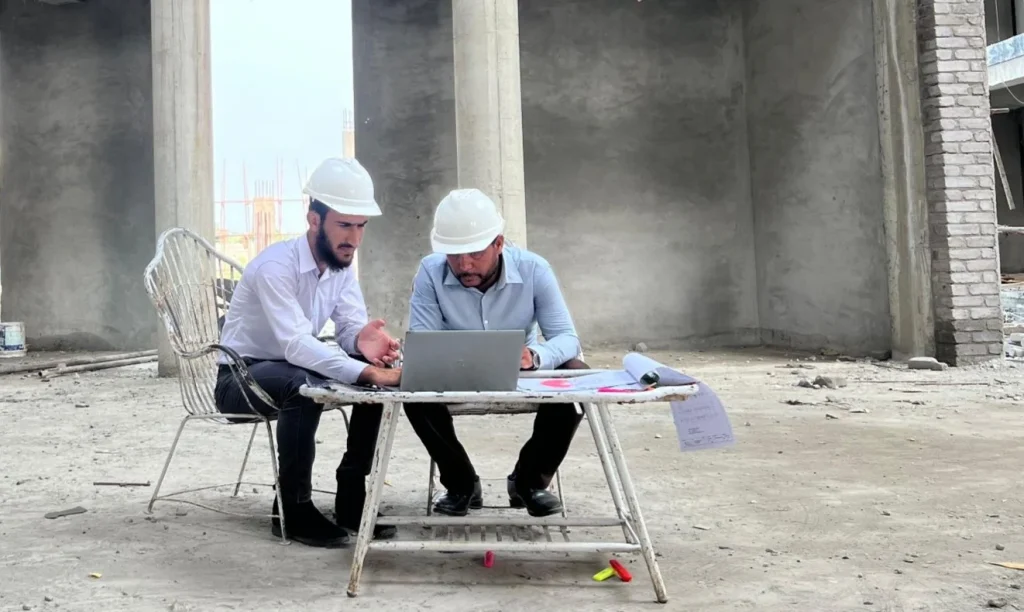
Somewhere on that same campus, a library and a mosque were rising out of the ground, and Asif couldn’t walk past the construction site without stopping to watch.
“I would see the engineers working and wonder what exactly they were doing. I started talking to them, asking questions. I watched videos on YouTube, discussed engineering with my friends.” Slowly, brick by brick, a question became an interest. And an interest became a direction: civil engineering.
He already knew where he wanted to take it.
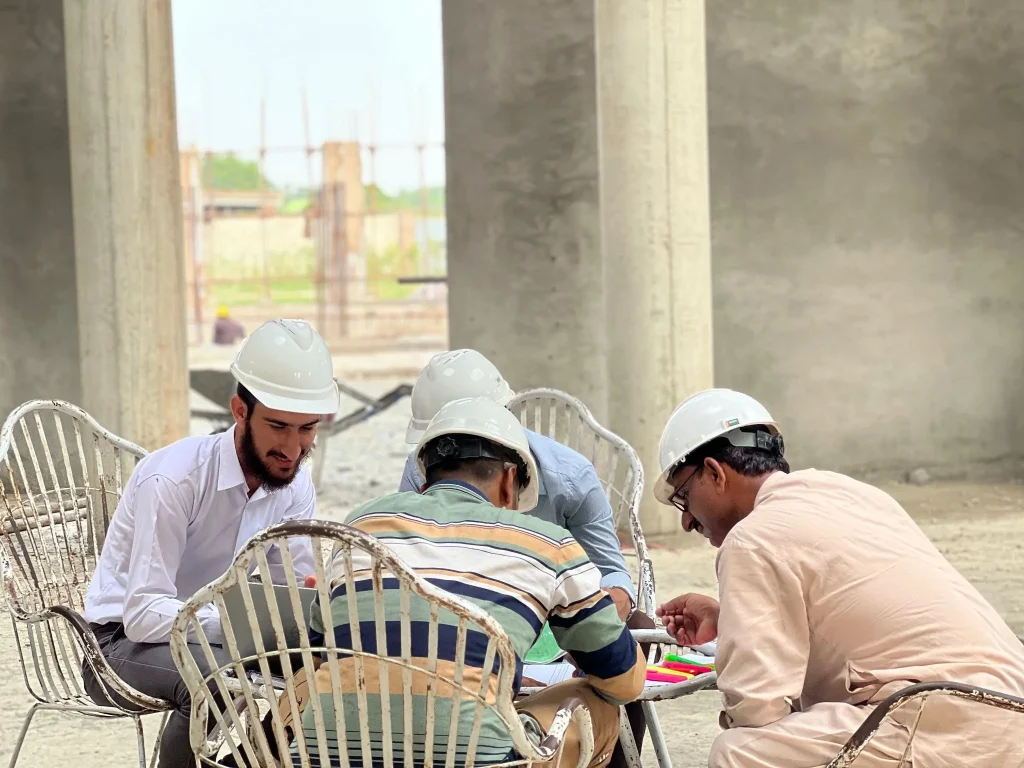
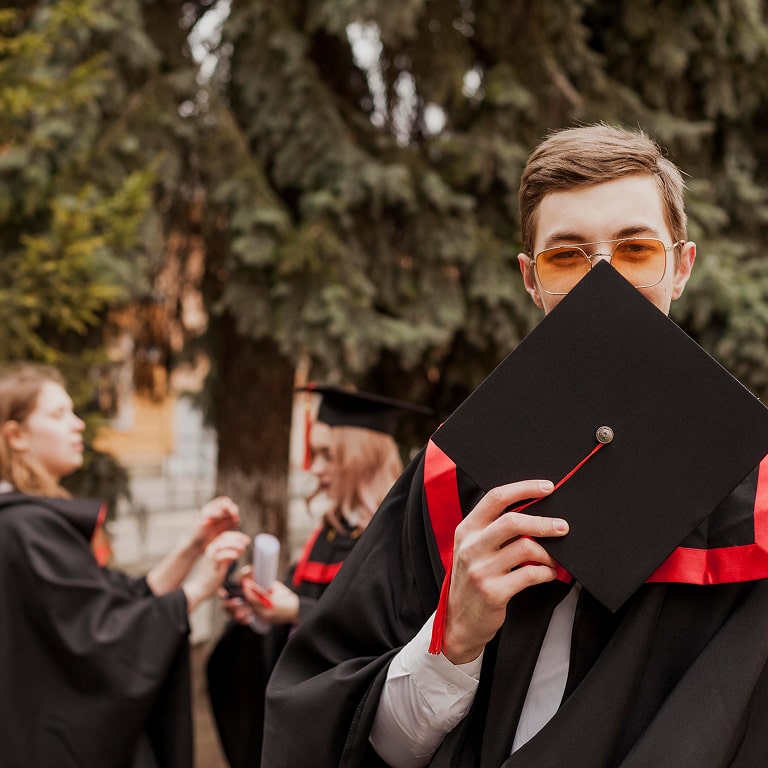
“Once I learned about NUST, I made it my goal. Getting there became something I really wanted to achieve.”
He got there. And the achievement didn’t belong to him alone.
“My father was very happy,” Asif recalls. “Whenever he met people, he would proudly tell them, ‘My son is studying at NUST.’ Seeing that pride in him meant a lot to me.”
It also settled something in him, a sense of what comes next.
“I am the eldest, so I feel a responsibility towards my brothers and sisters as well. I want them to continue their education, and have even more opportunities than I had.”
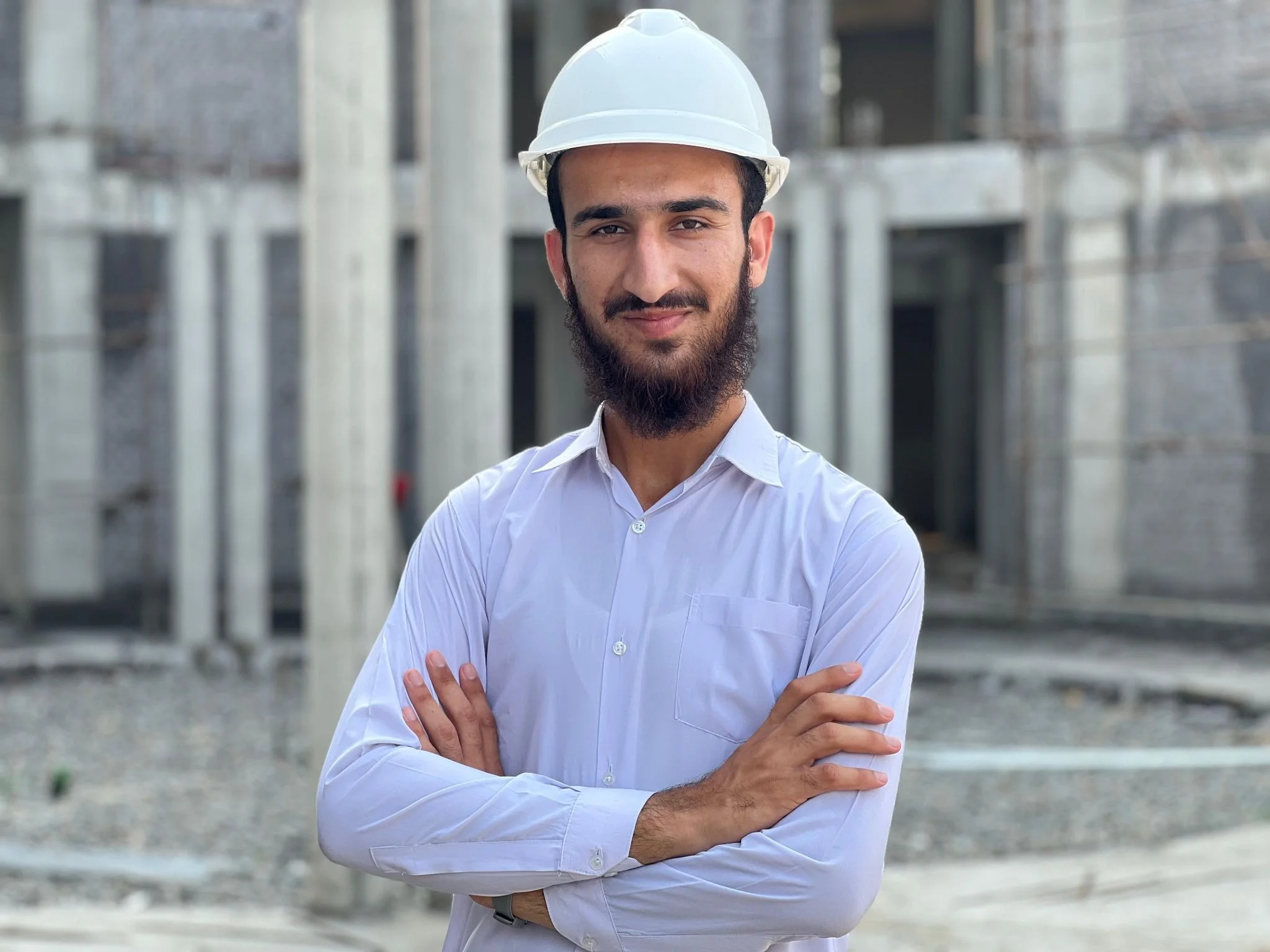
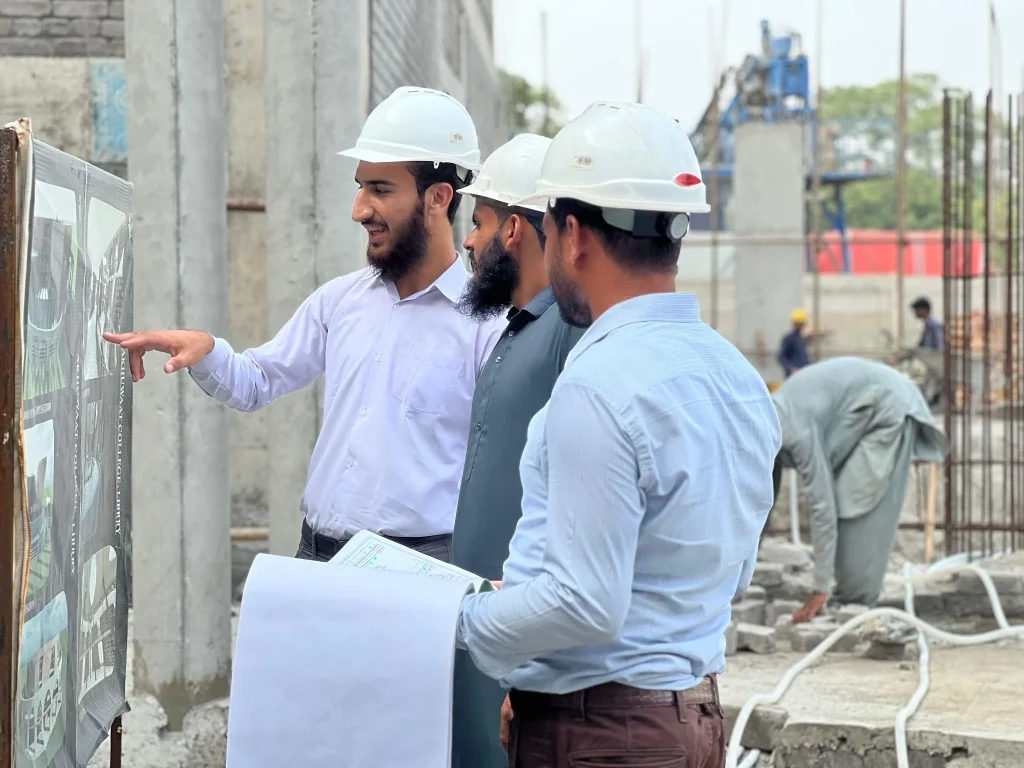
Years after he first stood watching strangers in hard hats, Asif came back to AIK, this time on a break from university, this time for an internship.
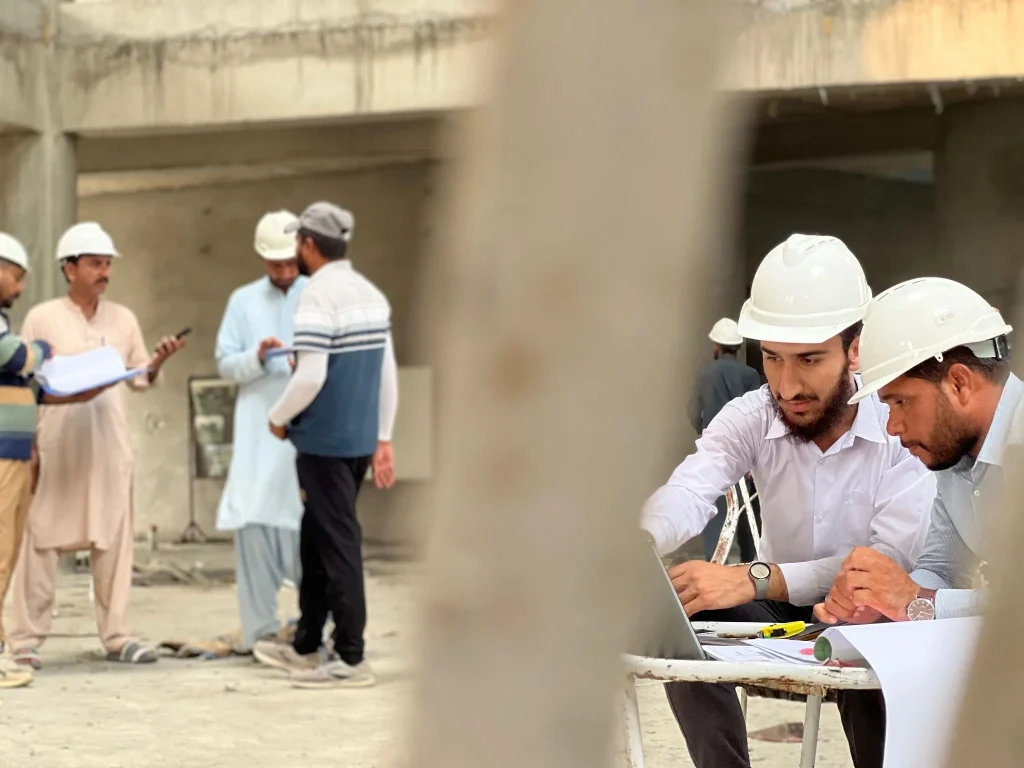
“When I was studying here, I used to watch engineers working on these sites. Now I have returned as an engineering student myself. That feeling was very different.”
The boy who once didn’t know which universities existed beyond his village is now the young man who returns to Lakki Marwat to tell other students exactly what’s possible.
The tie was just the first small detail. What followed was a boy discovering a world he never knew was there, and then turning around to make sure others could see it too.